Colonoscopy

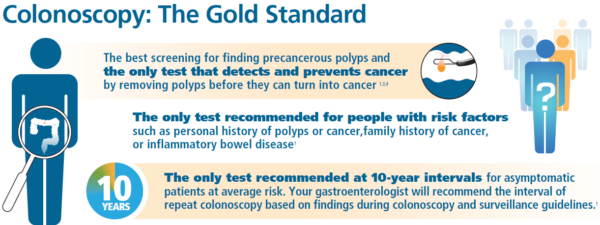
The Gold Standard

Detect Colorectal Cancer

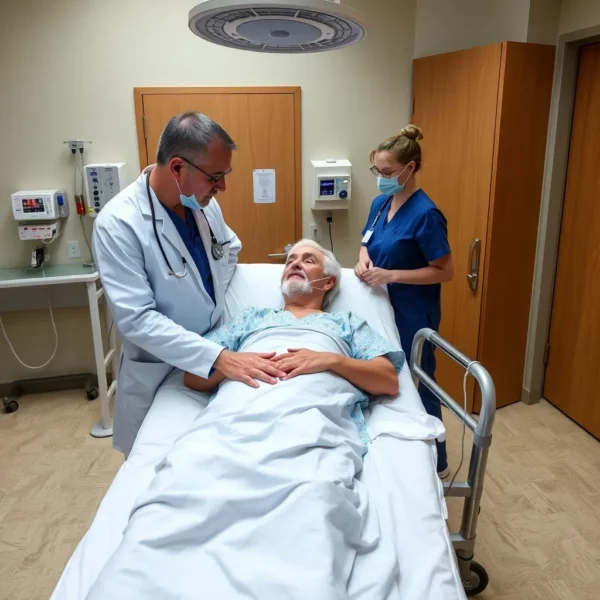
By providing a complete view of the colon, colonoscopy sets itself apart as the most sensitive and effective screening test for colorectal cancer.
Prevent Colorectal Cancer

A high-quality colonoscopy makes it possible to prevent cancer from ever forming by identifying and removing precancerous polyps.
10 Year Screening Interval

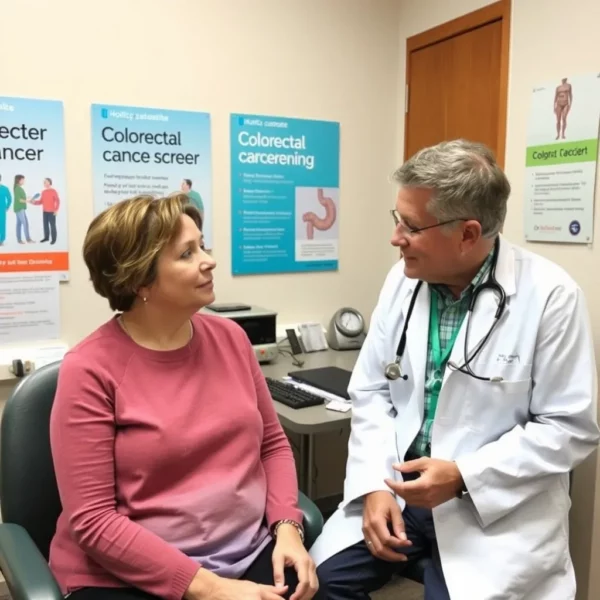
After a normal colonoscopy, patients at average risk don't need another screening exam for 10 years.
Preparation and Procedure

Dietary Requirements

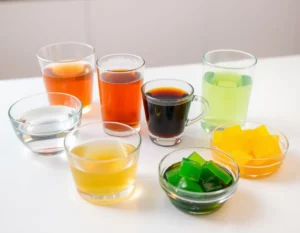
The day before your procedure, follow a clear liquid diet. This includes Jello, broth, coffee, tea, and any other liquids that are clear and see-through. Depending on your medical history, you may be instructed to hold certain medications in the days leading up to your procedure as well.

Bowel Preparation

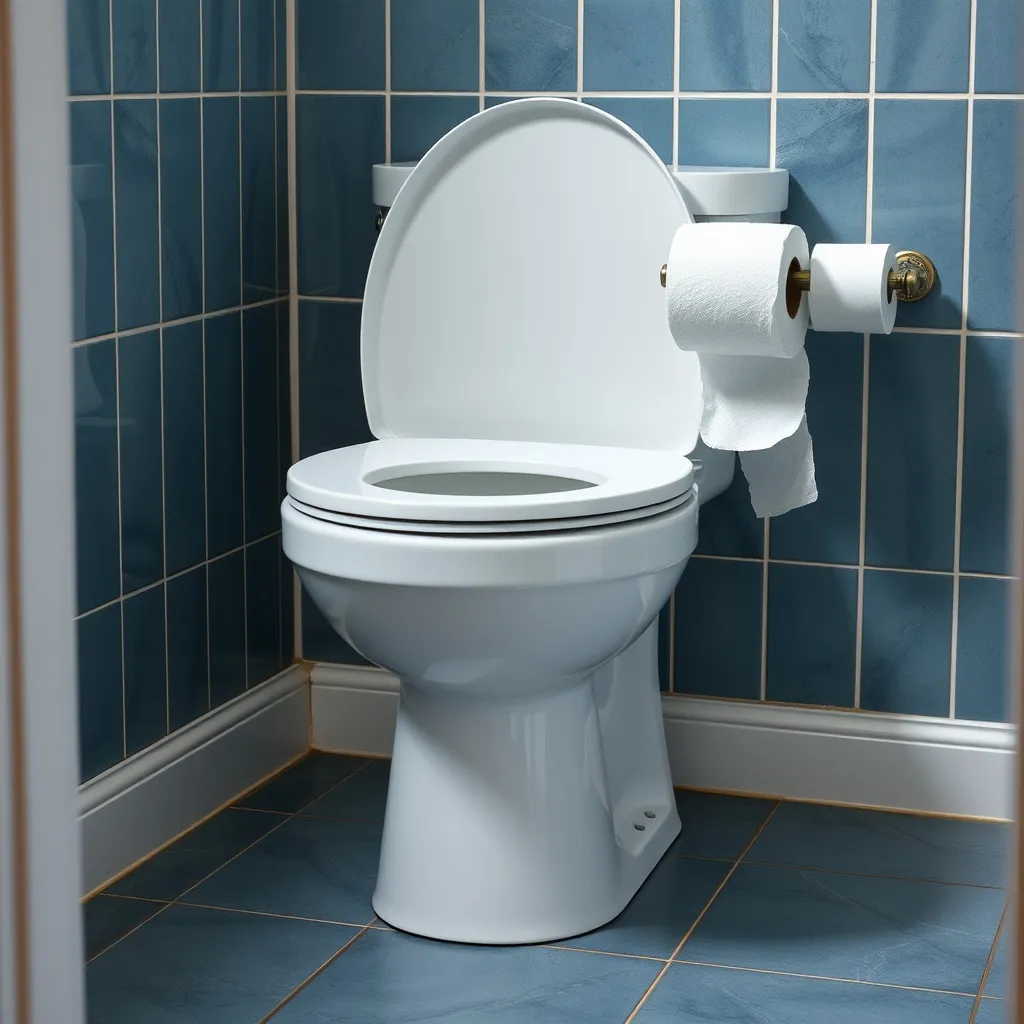
Bowel preparation starts the evening before the procedure. Available options include both prescription and over-the-counter products, as well as liquids or pills. Typically, the preparation involves drinking 1-4 liters of liquid laxatives along with water or other clear liquids. During this process, stay near a restroom. A split-dose prep is often recommended, where part of the prep is taken the evening before and the rest is completed the morning before your procedure. Once you have finished the prep, you can usually continue to enjoy clear liquids until about 2 hours before your appointment.

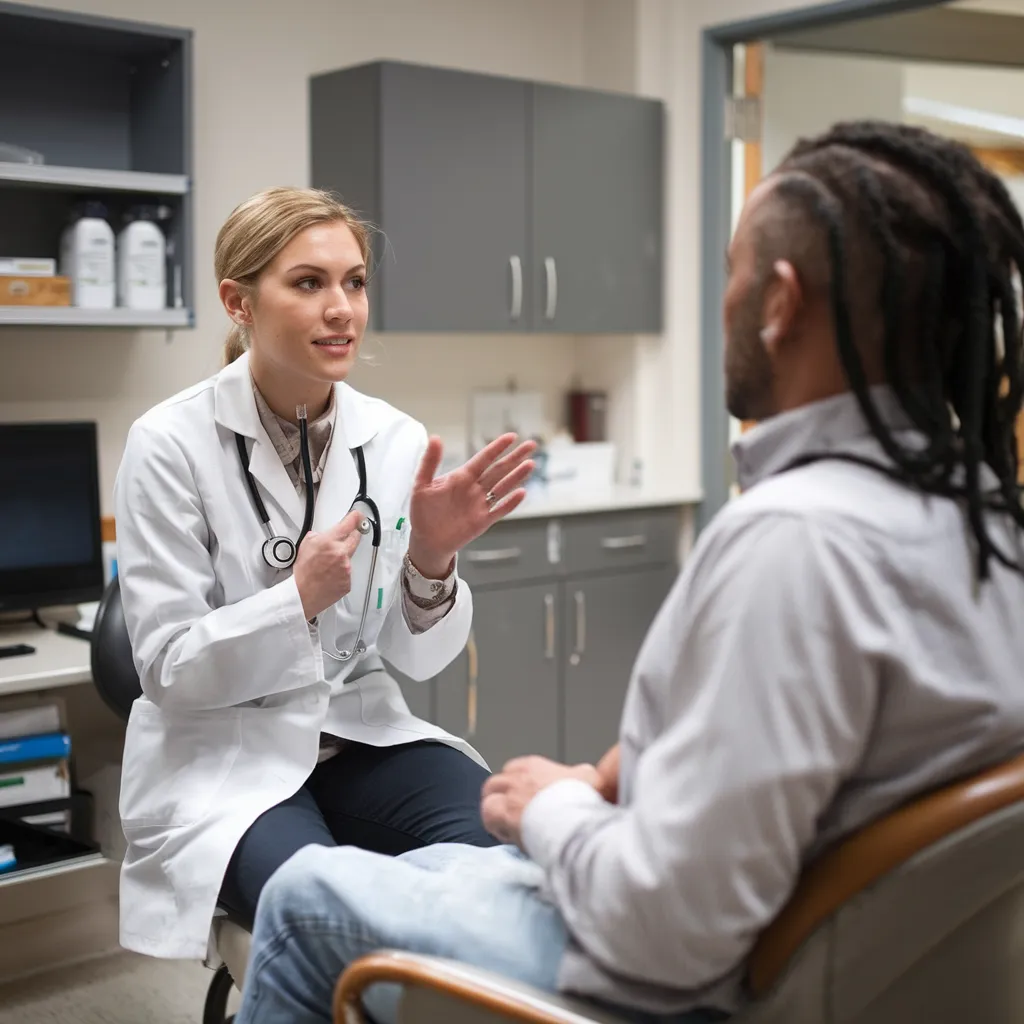
A healthcare professional discussing screening results with a patient in a private office.
Procedure Day

When you arrive for your appointment, you’ll change into a comfortable gown, and a nurse will place a small IV in your arm. Your doctor will meet with you to discuss the procedure and answer any questions you may have. Once ready, you’ll be taken to the procedure room, where you’ll receive light sedation to help you relax. The procedure itself typically lasts 20-40 minutes. Afterward, you’ll be brought to the recovery area to rest and wake up before heading home to enjoy some well-deserved food and relaxation.

Risks of Colonoscopy

All procedures carry some level of risk, including those related to anesthesia and the procedure itself. Colonoscopy, however is widely regarded as safe when performed by a high-quality endoscopist. Reported rates of severe complications include:

Interested in Scheduling Your Colonoscopy?